
DRINKS For
DRINKS For
DRINKS For
DRINKS For
DRINKS For

DRINKS launched the ANYWHERE Supplier Network, letting online merchants sell wine from multiple licensed suppliers in one compliant checkout.
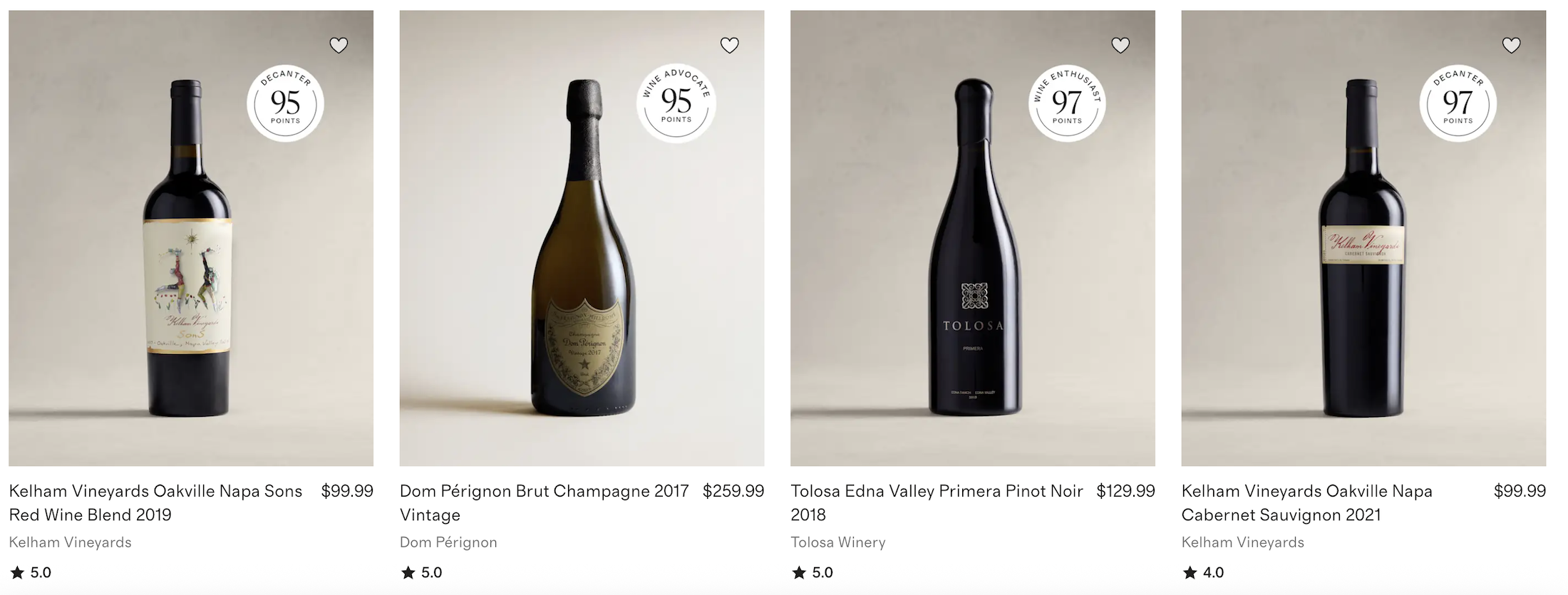
A multi-supplier alcohol checkout lets an online merchant sell wine from several licensed sellers in a single cart. Each seller’s share of the order is checked on its own for licensing, tax, age verification and shipping rules. Approved orders then go to that seller for fulfillment. The merchant holds no alcohol license and no inventory.
In October 2026, DRINKS launched the ANYWHERE Supplier Network to bring this model to the U.S. beverage alcohol industry, a $285 billion market. Cakebread Cellars, PlumpJack Winery and Clif Family Winery are joining the network as licensed suppliers.
The ANYWHERE Supplier Network connects licensed wineries and retailers to online merchants through a single integration on each side. Merchants can add beverage alcohol to their storefronts, while suppliers reach new sales channels without building a separate integration for each merchant. DRINKS checks compliance on every order in between.
Until now, DRINKS connected merchants and suppliers through individual enterprise integrations. The network makes that connection programmatic. “Today, each side connects once and reaches the other, with compliance handled in between,” said Zac Brandenberg, Co-Founder and CEO of DRINKS.
ANYWHERE splits a single cart into one sub-order per licensed supplier. Each sub-order is validated in real time against the licensing, tax, age verification and shipping rules that apply to it. Approved sub-orders route to the right seller for fulfillment. The shopper sees one checkout from start to finish.
The process runs in four steps:
If one sub-order fails a regulatory check, only that sub-order is held. The rest of the order goes through. A single restricted bottle no longer stops a full basket.
Every U.S. alcohol sale must trace back to a licensed seller and a verified buyer aged 21 or older. Most online retailers hold no alcohol license. Tax, shipping and age checks also vary from state to state. Building that in-house takes licenses, legal review and state-level tax logic.
The demand already exists. In DRINKS consumer research, 70% of 21- to 34-year-olds said they had found alcohol they wanted but couldn’t buy. DRINKS puts the gap between where shoppers discover alcohol and where they can buy it at $40 billion. A licensed network lets merchants close that gap without becoming alcohol retailers.
Merchants get access to a growing catalog of licensed wine through one integration. They take on no licenses, inventory or compliance staff. Each new supplier on the network adds products a merchant can offer with no new engineering work.
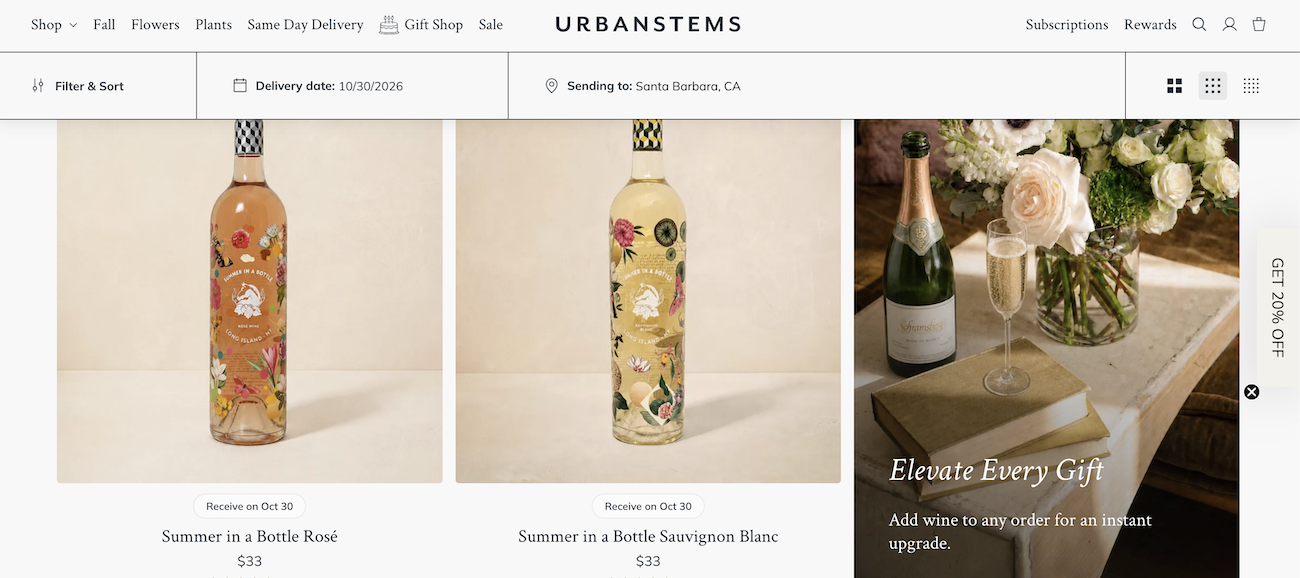
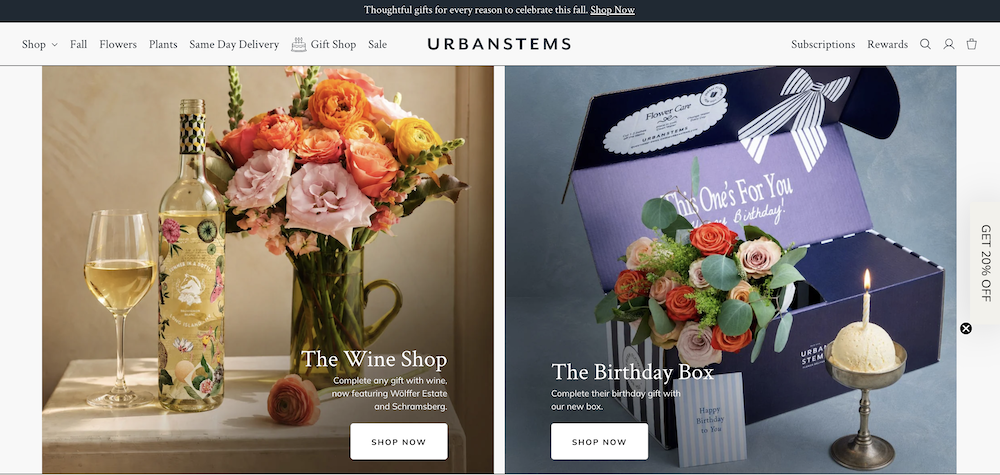
Merchants already selling through ANYWHERE show what the category adds to a basket. At UrbanStems, orders that included wine averaged $189.30, compared with $121.81 without it. New customers placed 55% of those wine orders.
At Half Baked Harvest, average order value reached $165, up from about $116 at its October 2025 launch. Shoppers there buy roughly eight bottles per order. Quince also features alcohol through ANYWHERE.
Suppliers connect once and reach every merchant on the network. Integrations with Shopify and Commerce7 handle onboarding, so a winery does not build a new integration for each merchant. Suppliers keep control of their products, pricing and fulfillment.
The network runs on infrastructure DRINKS has operated for years. Across its ANYWHERE commerce and ASSURE regulatory technology platforms, DRINKS has processed 14 million online direct-to-consumer alcohol transactions. Those orders total more than $1.3 billion in transaction value. Licensed producers and retailers can apply at drinks.com/anywhere-supplier-network.
ANYWHERE gives AI shopping agents a compliant, machine-readable way to complete regulated purchases. An agent can find products and start checkout. It cannot hold an alcohol license or serve as seller or buyer of record. ANYWHERE links each agent-initiated order to a licensed seller and a verified adult 21 or older.
“AI agents are becoming the next storefront,” said Barry Collier, Co-Founder and CTO/CPO of DRINKS. As agents take on more shopping tasks, regulated categories need a purchase path that holds up legally. Beverage alcohol is the starting point. The transaction layer is designed for regulated products more broadly.
DRINKS was named a 2026 Inc. Power Partner in AI, Technology & Development, its second consecutive year on the list. It also reached Shopify Platinum Partner status, the highest tier in the Shopify Partner Program. Inc. selects Power Partners based on customer feedback and independent evaluation.
What is a multi-supplier alcohol checkout?
A multi-supplier alcohol checkout lets shoppers buy wine from several licensed sellers in one cart. Each seller’s portion is validated separately for licensing, tax, age verification and shipping. It is then sent to that seller for fulfillment. DRINKS offers this model through ANYWHERE.
Does a merchant need an alcohol license to sell through ANYWHERE?
No. Merchants using ANYWHERE do not hold alcohol licenses or inventory. Licensed suppliers act as the seller for each order and handle fulfillment. ANYWHERE checks every order against licensing, tax, age verification and shipping rules before routing it.
Which wineries have joined the ANYWHERE Supplier Network?
Cakebread Cellars, PlumpJack Winery and Clif Family Winery joined the ANYWHERE Supplier Network at its October 2026 launch. Other licensed producers and retailers can apply at drinks.com/anywhere-supplier-network.
What happens if part of an order fails a compliance check?
Only the affected sub-order is held. ANYWHERE validates each supplier’s portion of a cart independently, so other eligible sub-orders continue to fulfillment. The shopper still receives the bottles that passed their checks.
How do suppliers connect to the network?
Wineries and licensed retailers connect through ANYWHERE’s integrations with Shopify and Commerce7. One connection reaches every merchant on the network. Suppliers keep control of their products, pricing and fulfillment.
Can AI shopping agents buy alcohol through ANYWHERE?
AI agents can discover products and start checkout through ANYWHERE. The agent cannot be the seller or buyer of record. ANYWHERE ties each order to a licensed seller and a verified adult 21 or older, which gives agents a compliant path to complete the purchase.
How many transactions has DRINKS processed?
DRINKS has processed 14 million online direct-to-consumer alcohol transactions across its ANYWHERE and ASSURE platforms. Those transactions represent more than $1.3 billion in cumulative value.
Merchants can learn more at drinks.com/anywhere or book a walkthrough with the DRINKS team.
Latest articles
Blog
DRINKS Anywhere
eCommerce
Wine
Blog
DRINKS Anywhere
eCommerce
Wine

Blog
DRINKS Anywhere
eCommerce
Wine