
DRINKS For
DRINKS For
DRINKS For
DRINKS For
DRINKS For

Why RFM — not conversion rate — is the real growth lever
.jpeg)
Most eCommerce teams obsess over conversion rates. They A/B test button colors. They optimize checkout flows. They watch funnel drop-off reports like traders watch the ticker.
None of that moves the needle the way RFM does.
RFM stands for Recency, Frequency, and Monetary value. It measures how recently a customer bought, how often they return, and how much they spend. It is the single clearest signal of eCommerce health — and most teams barely glance at it.
The Problem With Conversion Tunnel Vision
Conversion rate tells you what happened during one visit. RFM tells you what's happening across the entire customer relationship. One is a snapshot. The other is a movie.
Consider a typical DTC brand. Their average customer shops once or twice a year. If that brand could add just one more purchase occasion — one more reason for a customer to return — the revenue impact compounds fast. No new acquisition spend. No new customer to win. Just a deeper relationship with someone who already trusts the brand.
Creating Moments, Not Campaigns
The 95/5 rule is useful here. At any given time, roughly 95% of your customers are not in the market for your core product. They bought the hoodie. They don't need another one yet.
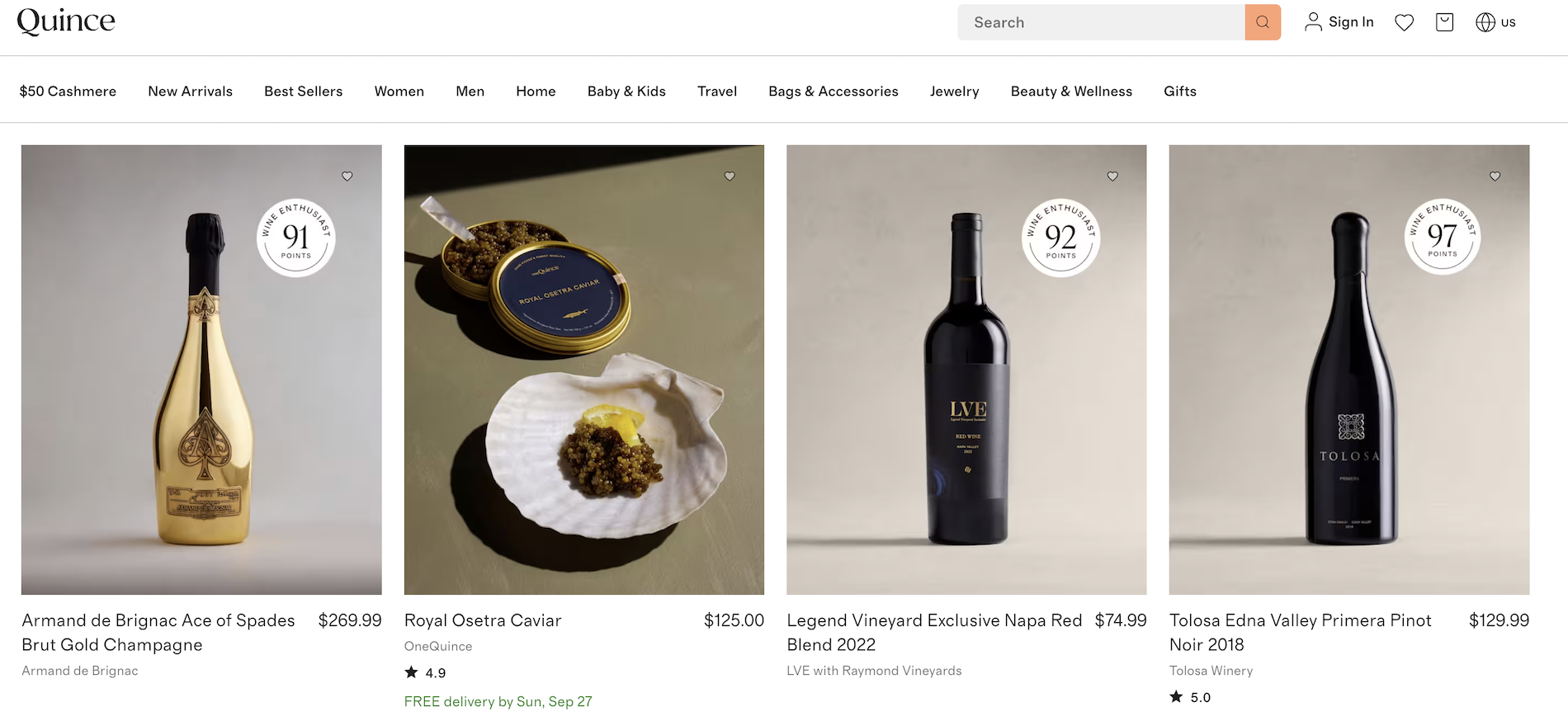
But they might need a bottle of wine for Friday night. Or a gift for a friend's birthday. Or something they hadn't considered until it appeared alongside the product they came for.
This is what shifting RFM looks like in practice. You create new "moments" — new reasons to visit, browse, and buy. High-affinity complementary products are the fastest path to doing this. They give customers a reason to come back between their normal purchase cycles.
What the Data Shows
Cross-selling and category expansion techniques increase sales by 20% and profits by 30%, according to McKinsey research. Brands adding complementary categories report jumps in email conversion of 25% and on-site conversion increases of 60%.
The math is straightforward. More moments means more visits. More visits means higher frequency. Higher frequency plus larger baskets means higher lifetime value.
Start With Affinity, Not Volume
The temptation is to throw a marketplace onto your site and sell everything. That's the wrong move. The right approach is targeted: find two or three categories with genuine affinity to your existing customer, and add them with care.
Alcohol is one of the highest-affinity categories across demographics — particularly for gifting, lifestyle brands, and food-adjacent retailers. But the principle applies broadly. The question to ask isn't "what else can we sell?" It's "what would give our customer a new reason to come back?"
If your team isn't tracking RFM with the same intensity they track conversion rate, they're optimizing the wrong thing.
Latest articles
.jpeg)
Blog
DRINKS Anywhere
eCommerce
Wine
Blog
DRINKS Anywhere
eCommerce
Wine
Blog
DRINKS Anywhere
eCommerce
Wine