
DRINKS For
DRINKS For
DRINKS For
DRINKS For
DRINKS For

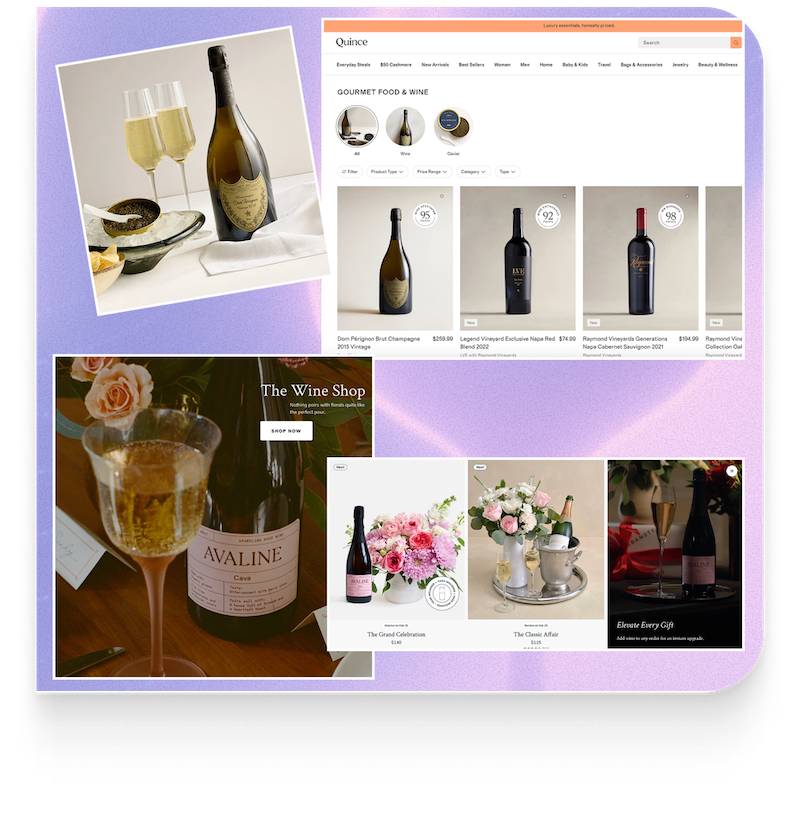
Category expansion is the practice of adding a small set of complementary, high-affinity products to a single-category eCommerce site so existing customers have more reasons to buy. It is not the same as becoming a marketplace. Done well, it means adding two to four curated categories your customers already want, using the infrastructure you already have. This guide explains why it works, what it costs, and how brands like Quince and UrbanStems have used it to lift average order value and repeat purchases.
Category expansion is adding complementary product lines to an existing store so customers can buy more of what they already want in one place. It differs from a marketplace in one important way: a marketplace chases scale and breadth, while category expansion stays narrow and on-brand. You add only products that would look natural in your customer's cart beside your hero item.
The distinction matters because the fear of "becoming Amazon" keeps good brands stuck selling one thing. Endless shelves and a search bar swallowing your brand is the wrong picture. The right picture is a slightly wider aisle in the same well-designed store.
Selling one category limits revenue because most of your customers are not in the market for that category on any given day. In most eCommerce categories, roughly 95% of customers are not ready to buy right now, a pattern marketers call the 95/5 rule. They bought once, and they will not need you again for weeks or months.
While they are gone, they keep shopping, just not with you. The standard fix is to spend more on ads, retargeting, and discounts to pull them back. That works until you compare acquisition costs today against three years ago. The door keeps getting more expensive to open. Adding a high-affinity category is the cheaper lever, because it gives the same customer a new reason to return rather than paying again to re-acquire them.
Quince added wine by placing it alongside complementary lifestyle products like caviar and serving pieces, then launching with premium Dom Pérignon to signal quality. The brand built its name on premium essentials at fair prices: Mongolian cashmere, Italian leather, and organic bedding. Its customers were already shopping for dinner-party essentials, so wine was the obvious missing piece.
Alcohol regulation had locked digital-first brands out of the category for years. Quince did not want to become a wine shop. It wanted wine to appear at the point of inspiration, beside the champagne flutes, not on a separate shopping trip. Launching with Dom Pérignon told customers the wine curation met the same standard as every other category on the site.
The customer never sees the hard part. A single checkout handles the regulated bottle and the unregulated linens together, while DRINKS manages age verification, tax by jurisdiction, compliance, and fulfillment routing behind the scenes.
UrbanStems added curated wine as a no-friction add-on inside its existing cart, pairing bottles with bouquets so the gift felt complete. The brand had a clear leak: customers bought a bouquet, then went elsewhere to finish the gift. The occasion walked out the door to a competitor.
"To us, wine and flowers are a natural pair," says UrbanStems CEO Meenakshi Lala. "It was really about responding to our customer demand." She calls Valentine's Day "our Super Bowl and Black Friday combined into one," and in gifting the holidays are the business.
In November 2025, UrbanStems added curated bottles directly inside its existing cart, with no redirect and no separate checkout. Going live in November meant wine was a proven, indexed part of the experience by February, well ahead of peak demand.
• 62% higher attachment rate than comparable add-ons like chocolates or cookies
• 20 to 30% week-over-week growth in wine attachment rate since launch
• +45% projected lift in alcohol sales during Valentine's Day versus baseline
Wine did not change what UrbanStems is. It let the brand own the full gift instead of half of it.
Category expansion beats discounting because it adds a new reason to buy instead of shrinking the margin on an existing one. A discount pulls the same customer back for the same product at a thinner profit. A second, high-affinity category gives that customer a fresh reason to visit, a larger basket when they do, and a higher chance they return for something only you now sell.
The economics are straightforward: higher average order value, stronger basket attachment, and better repeat potential. Because it runs on infrastructure you already own, operational lift is close to zero. DRINKS partners typically see 1.5 to 5% incremental GMV from adding beverage alcohol, without hiring a compliance team or warehousing a single bottle.
Choose categories by identifying what your best customers buy in the same real-world moment as your product, then pick the two or three that raise your brand rather than dilute it. Adjacency in real life matters more than adjacency in a spreadsheet: same occasion, same basket, same reason to shop.
1. List the moments. Map the occasions your product shows up for: a dinner, a celebration, a gift.
2. Find the co-purchases. Identify what customers buy elsewhere to complete that moment.
3. Filter for brand fit. Keep only products that would look natural in your cart, not like clutter.
4. Start premium. Anchor with a high-quality item so the new category signals the same standard as your core line.
5. Add where customers already are. Place the category inside your existing checkout, not a separate storefront.
No. A marketplace pursues breadth and scale across many sellers and products. Category expansion adds a small, curated set of complementary products under your own brand, using your existing site and checkout.
Most brands should add two to four high-affinity categories rather than a long list. The goal is curation and brand fit, not volume.
No. With a compliance partner like DRINKS, age verification, tax calculation, compliance, and fulfillment run in the background, so the brand adds the category without new licensing, inventory, or operational overhead.
Brands typically see higher average order value, stronger basket attachment, and repeat purchases. DRINKS partners see 1.5 to 5% incremental GMV from adding beverage alcohol, depending on promotion.
Latest articles

Blog
DRINKS Anywhere
eCommerce
Wine

Blog
DRINKS Anywhere
eCommerce
Wine
.jpeg)
Blog
DRINKS Anywhere
eCommerce
Wine